






In the first step, a perforated flashing and a lining plate should be installed. please ensure an unobstructed airflow. Make sure that the air outlet of the ventilation gap remains unobstructed.
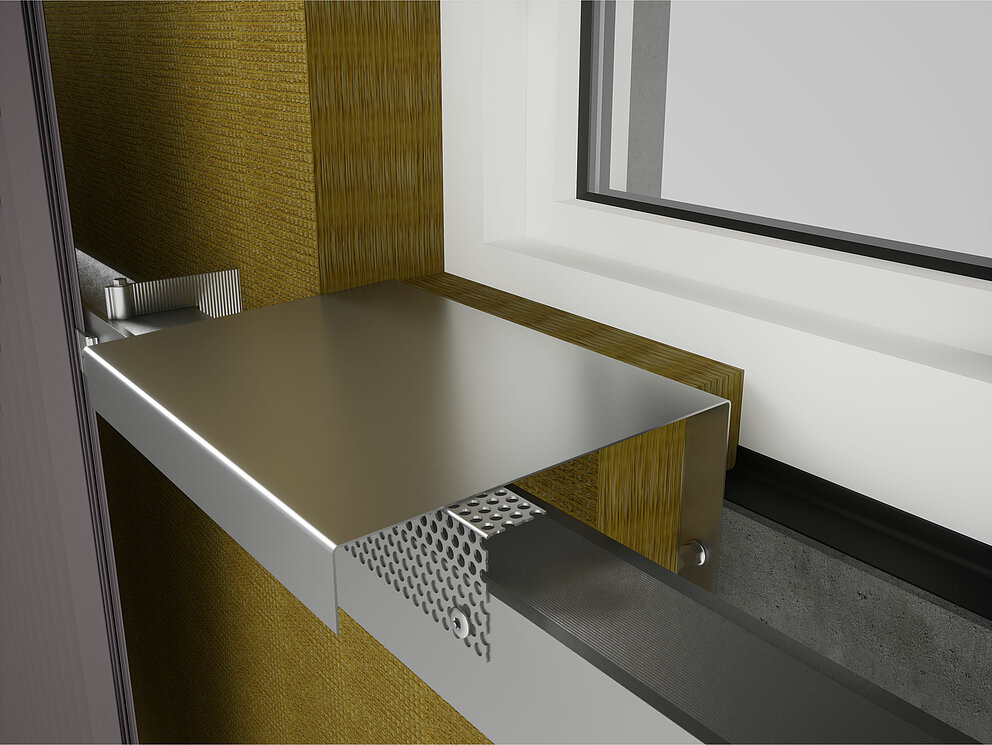
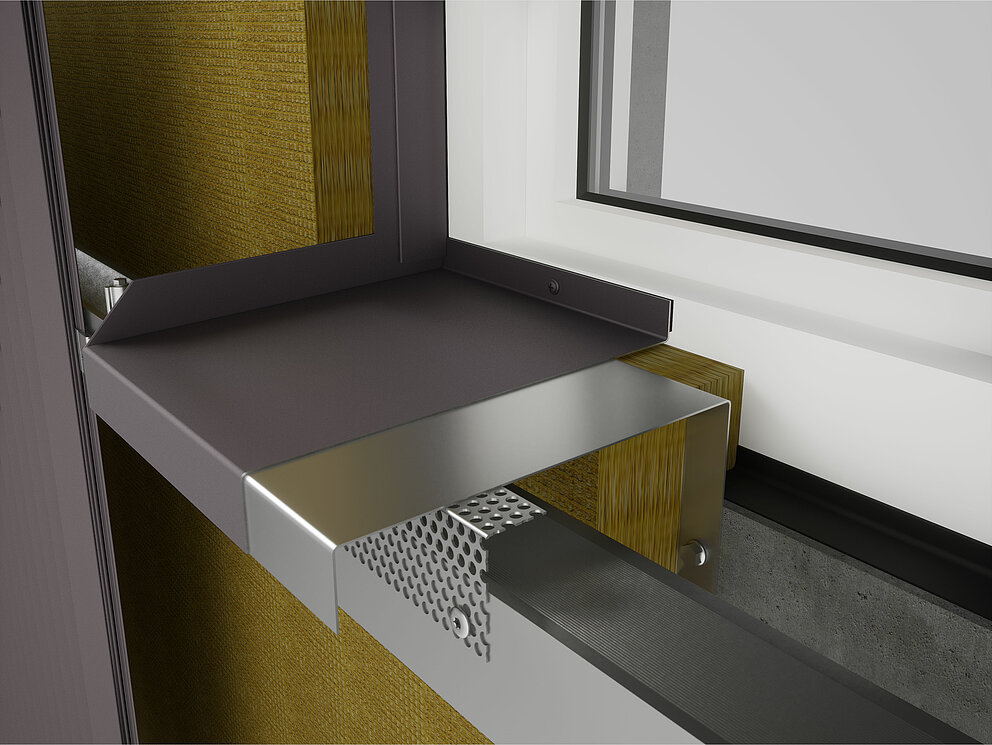
The windowsill can then be prepared to the required dimensions and installed in the window frame. The pocket trims are subsequently ready to install.
Note
When installing the windowsill in the window frame, ensure that it is imperveous to heavy rain. Also observe the guidelines of the window manufacturer.
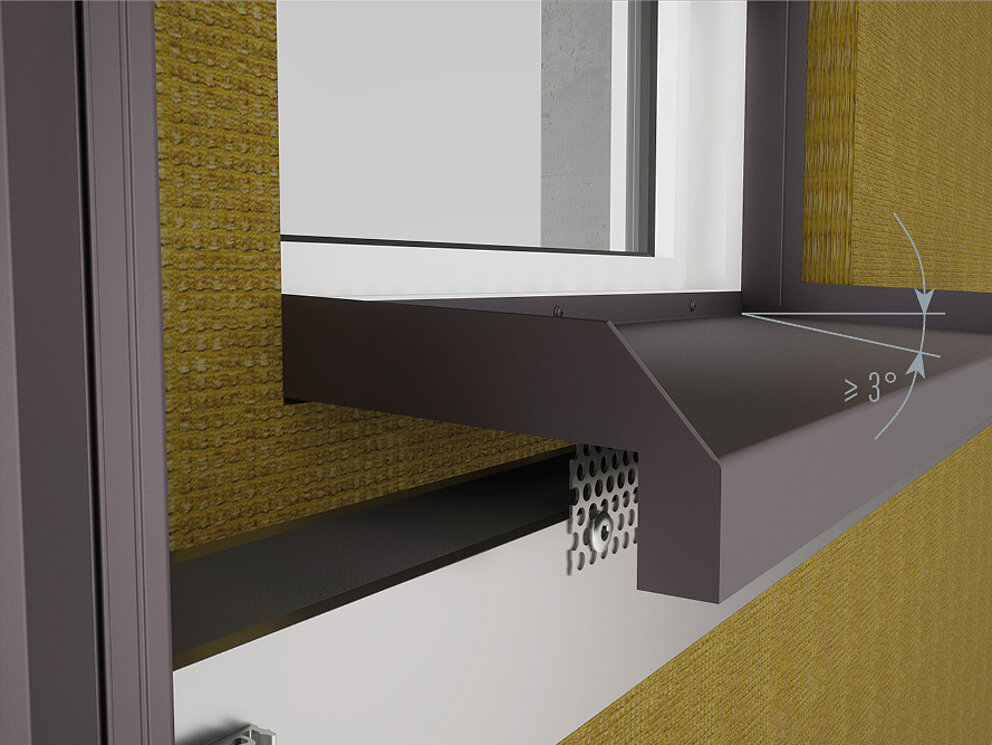
Then the fixing brackets for the soffit plate are screwed into the substructure on the left and right of the window. At the same time, the connector strips for the soffit plate and the connector strips for the window lintel are fastened to the window frame or brickwork.
Note
If necessary, extend the pocket profile to the next drainage level so that any water entering can be safely drained away.
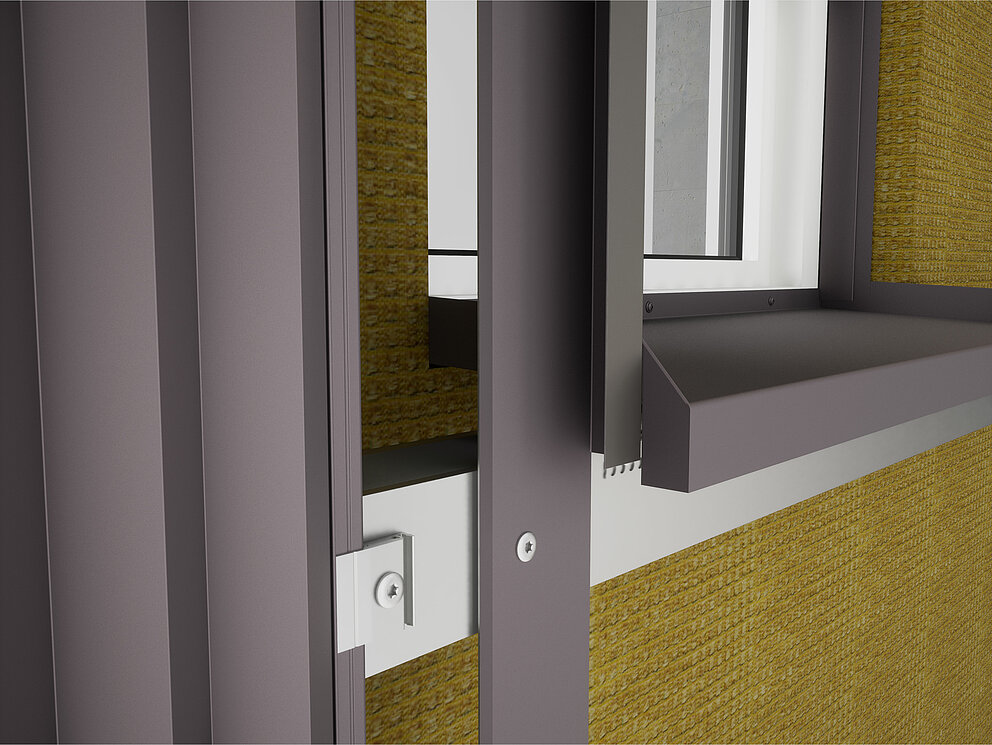
Prepare jamb flashing to site requirements. The bottom of the jamb flashing must be notched to suit windowsill dimensions.
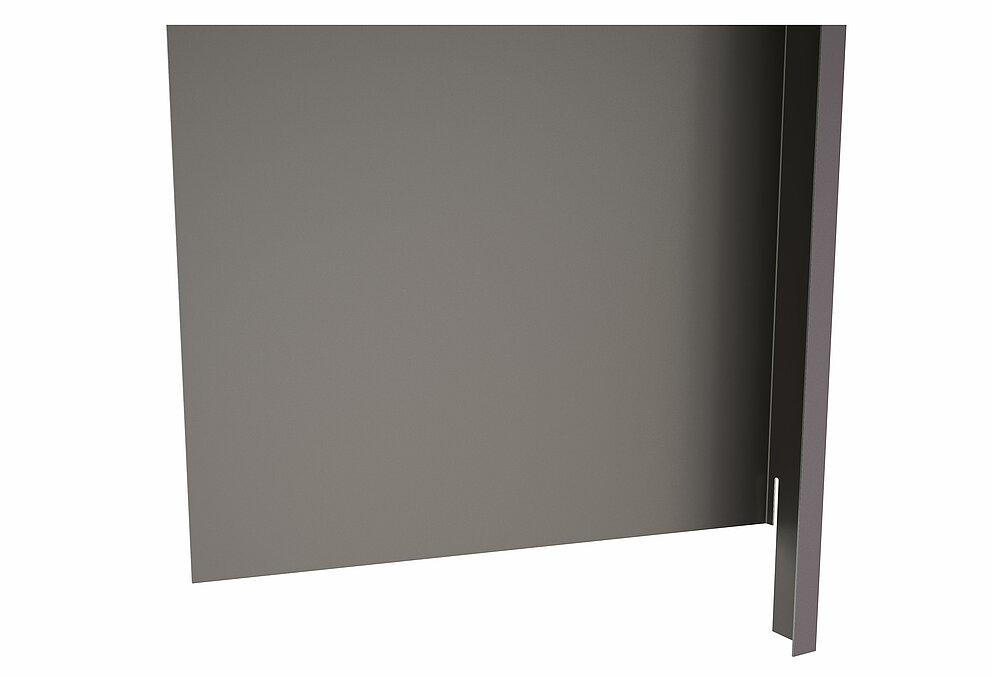
Prepare the top detail jamb and make a 90 degree termination for better stability.
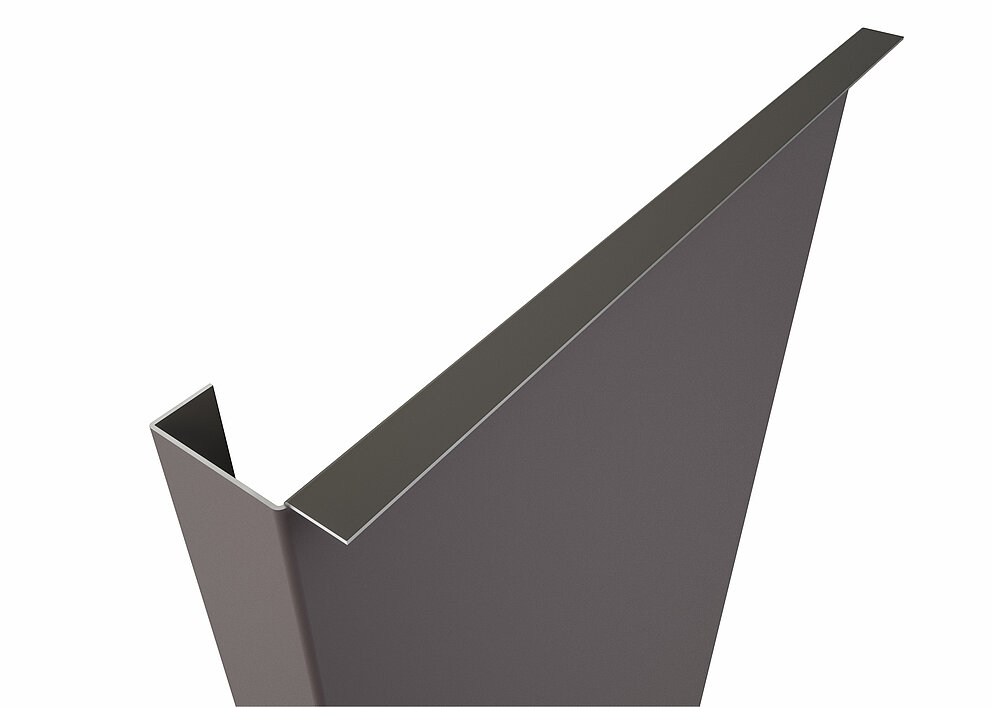
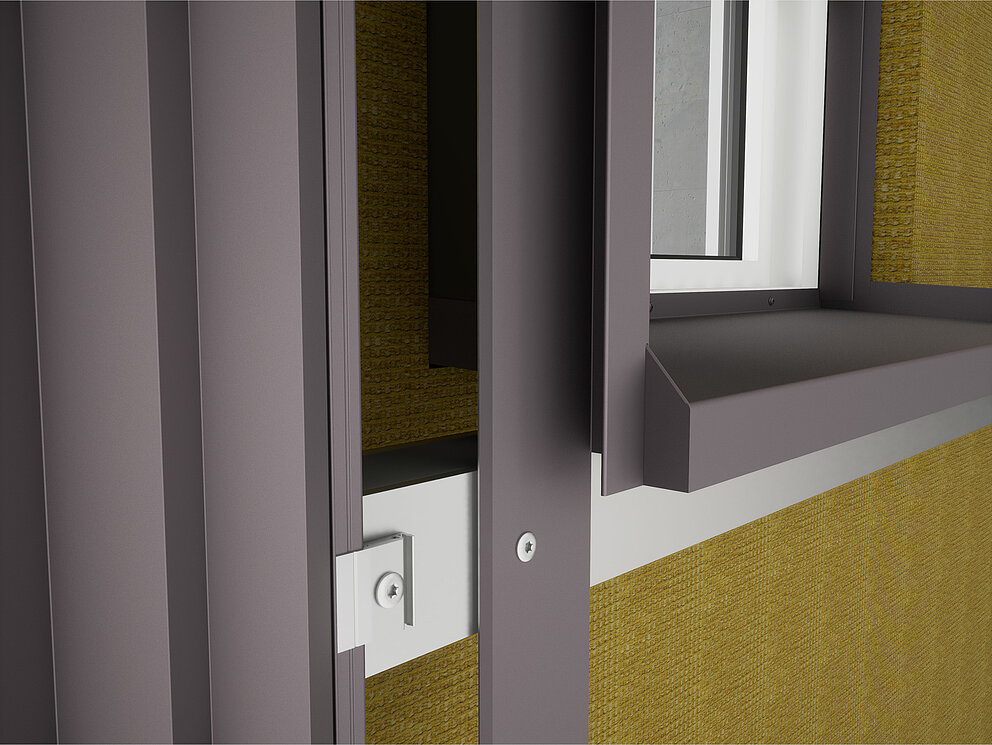
Next, the wind head detail can be prepared. Follow the images below to prepare a square stop end on both sides of the drip edge.
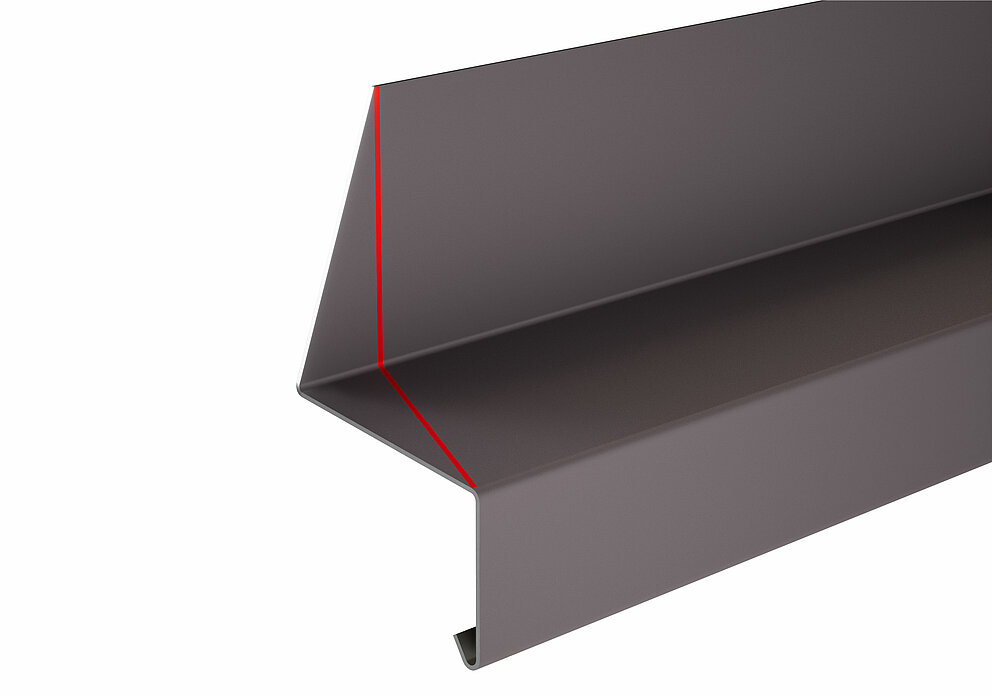
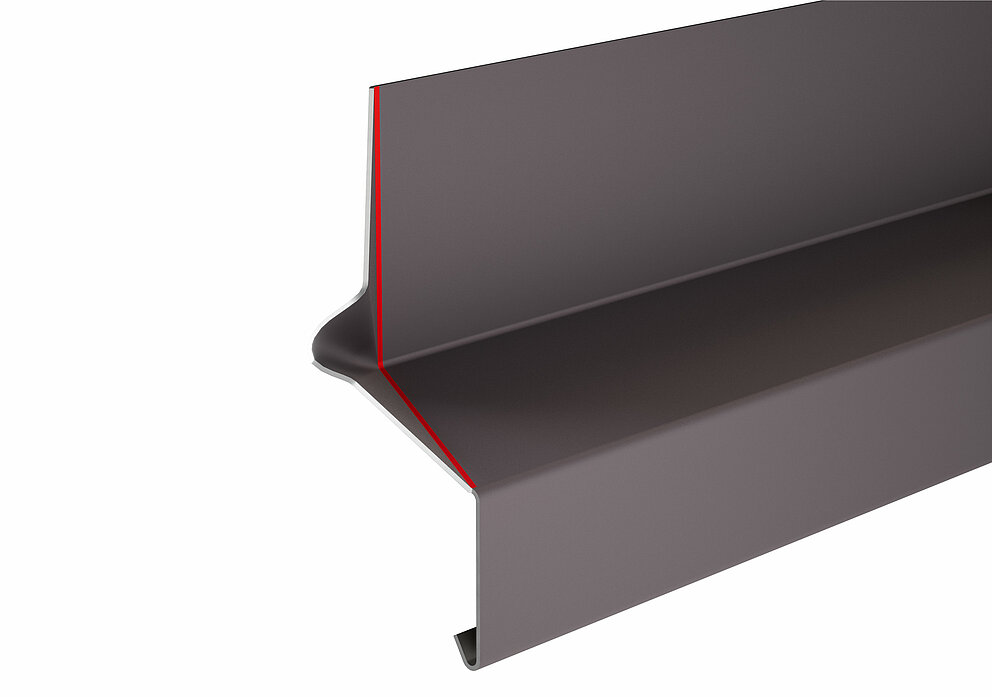
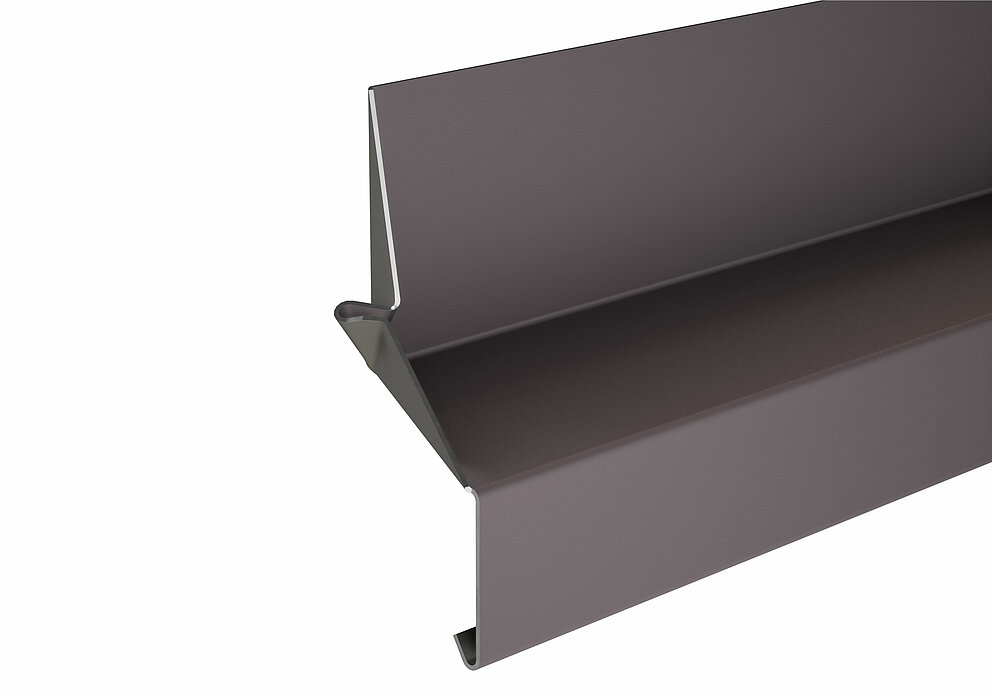
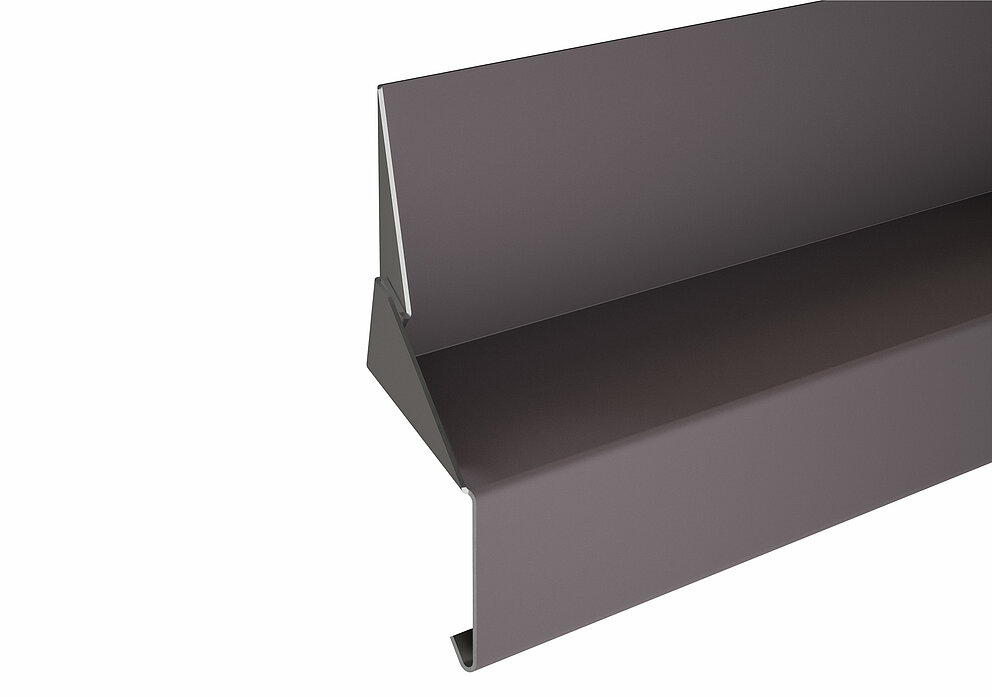
Prepare a head flashing according to existing dimensions and install it in conjunction with the drip edge. The rain guard is hung on the upper soffit plate.
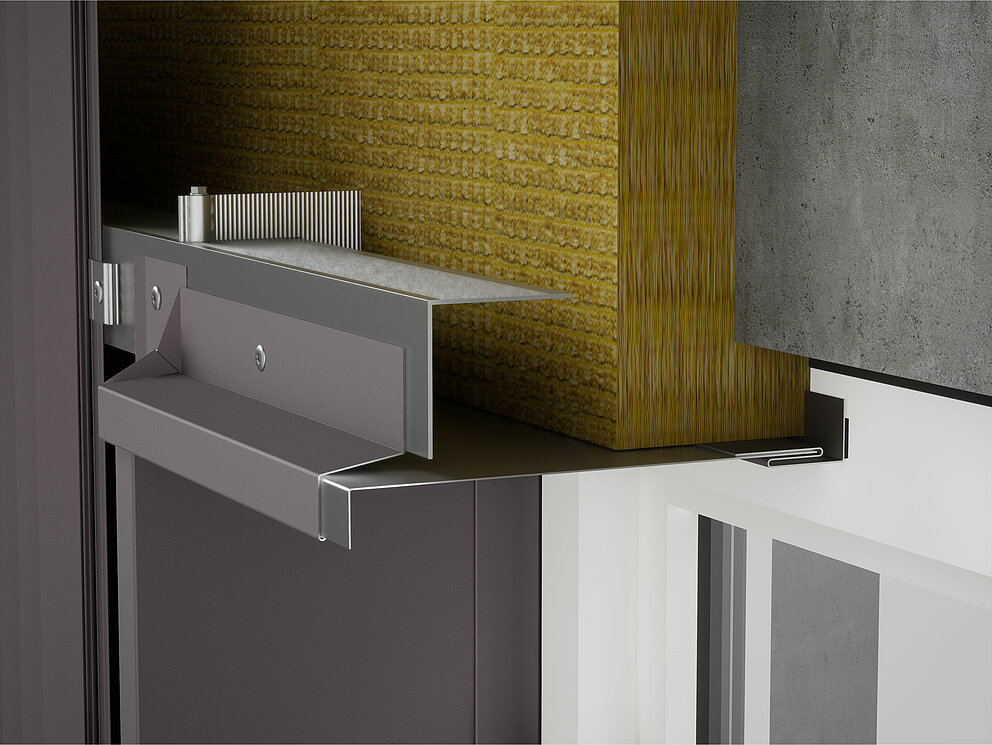
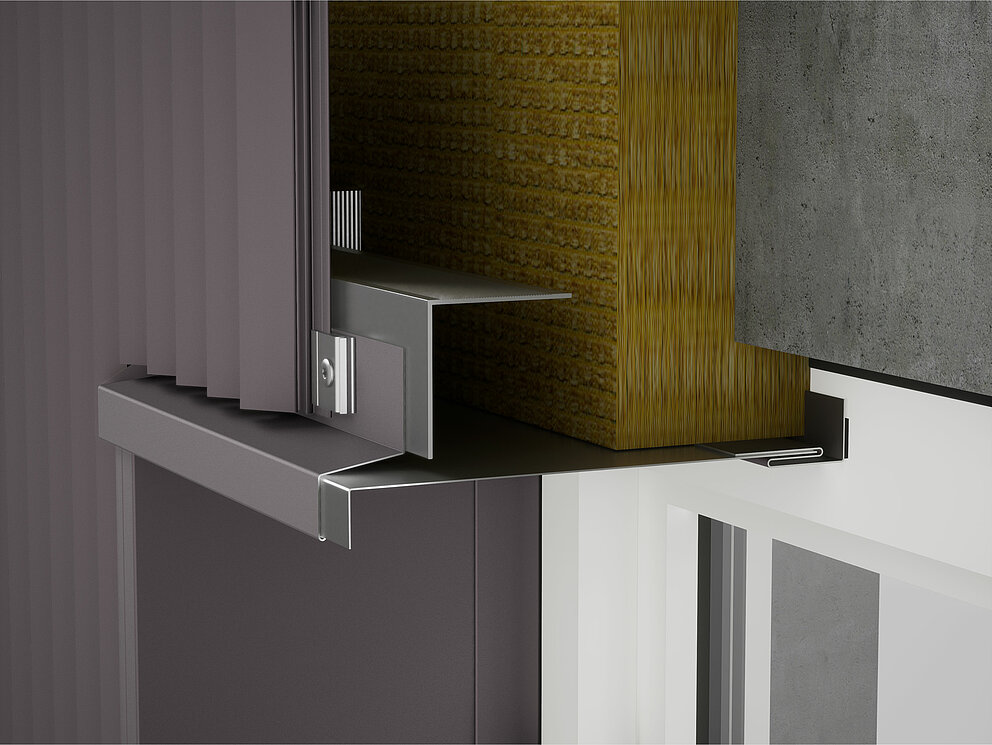
The drip edge is mounted to the sub-structure framework in the same way as the starter detail.
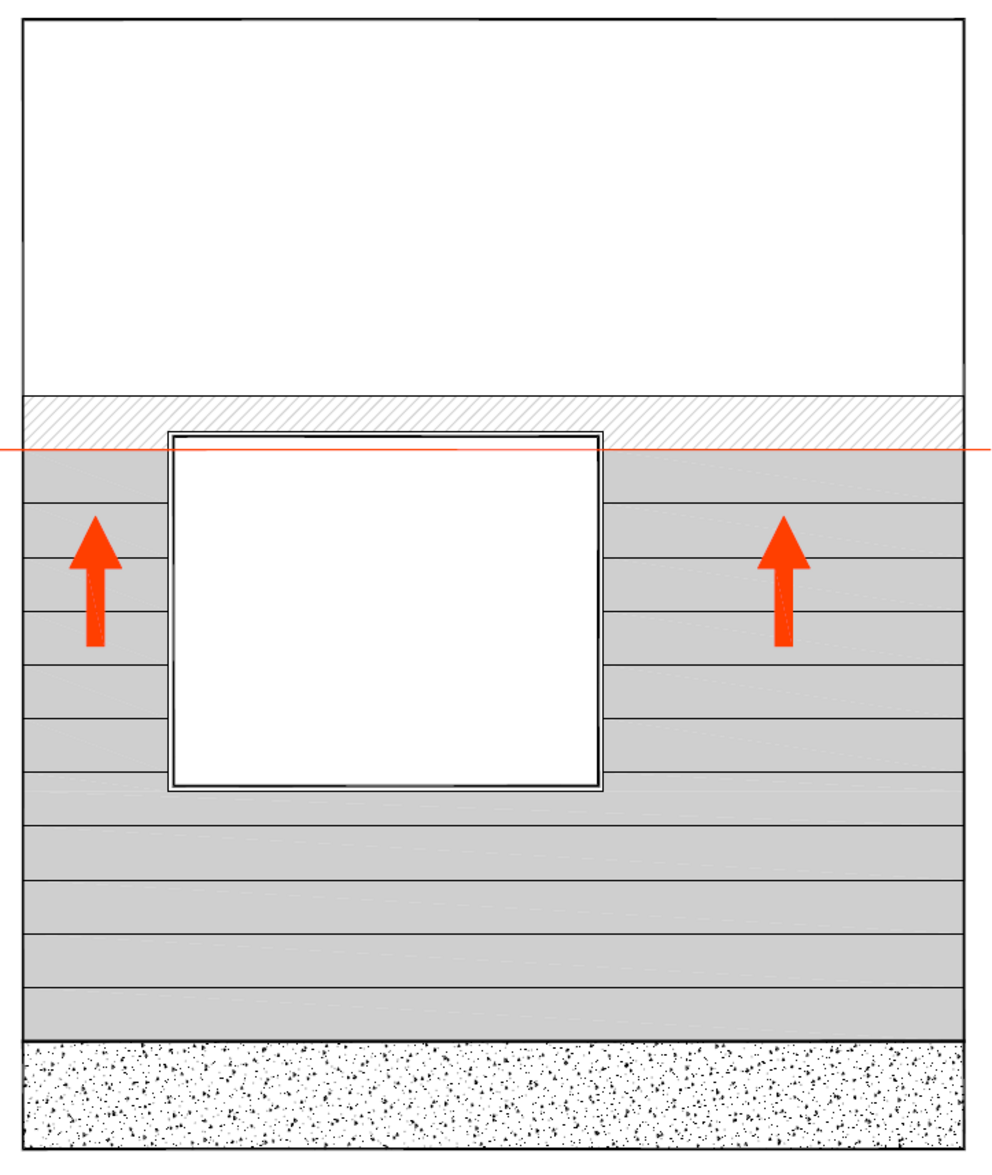
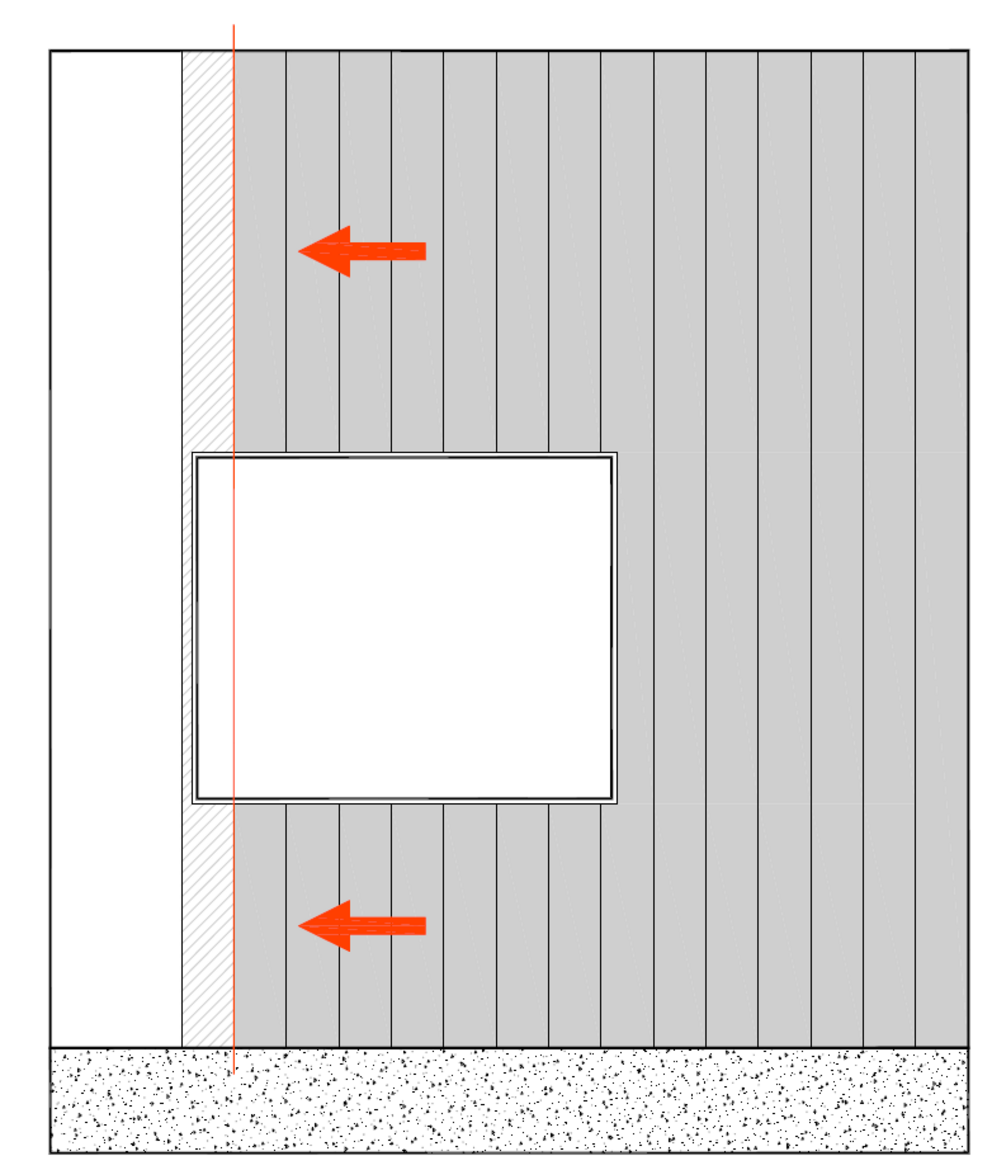
If all sides of the window frame have been prepared, the installation of the extruded profiles can continue. Cut out each part of the profile that overlaps the window frame.
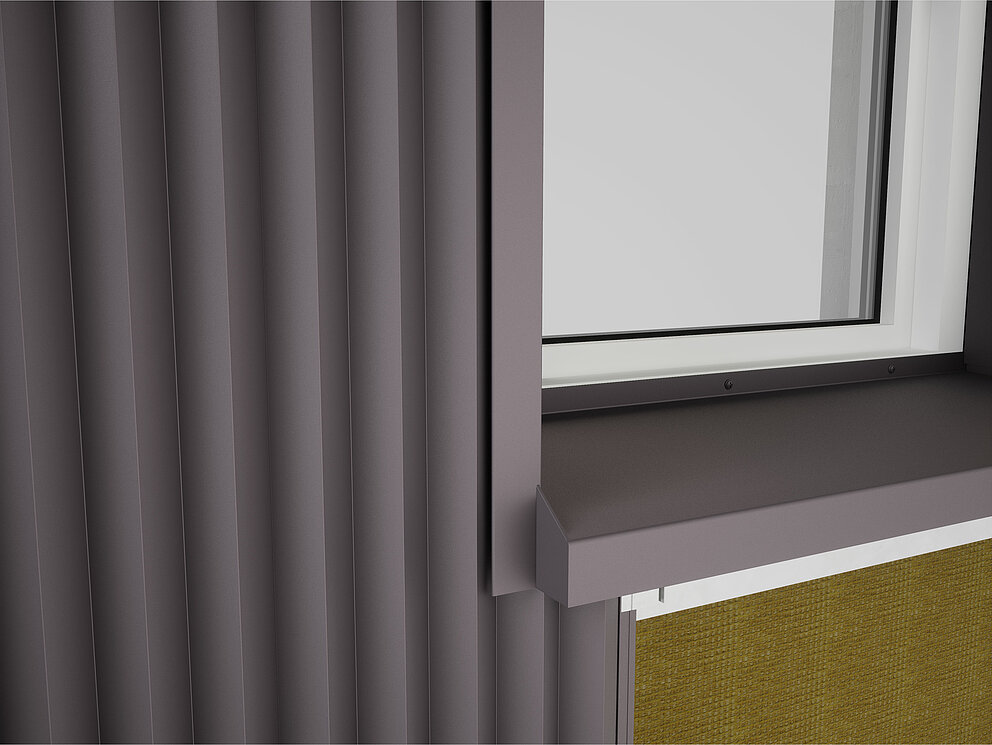
Note
For both vertical and horizontal alignment, it is highly recommended to mark dimensions around the window in order to avoid misalignment.
You can only download content from one product category. If you require content from multiple categories, please create a separate download for each product area.