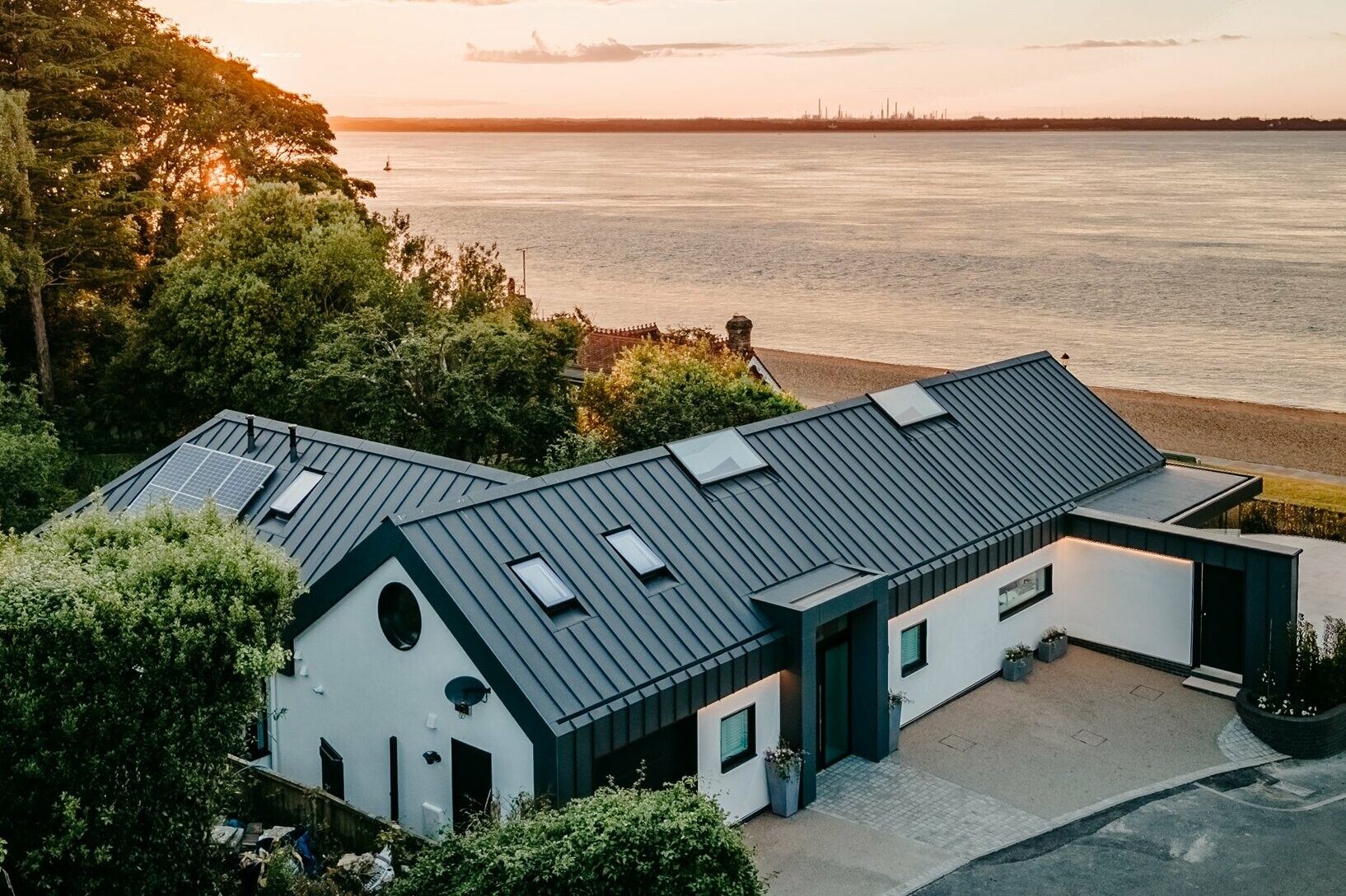
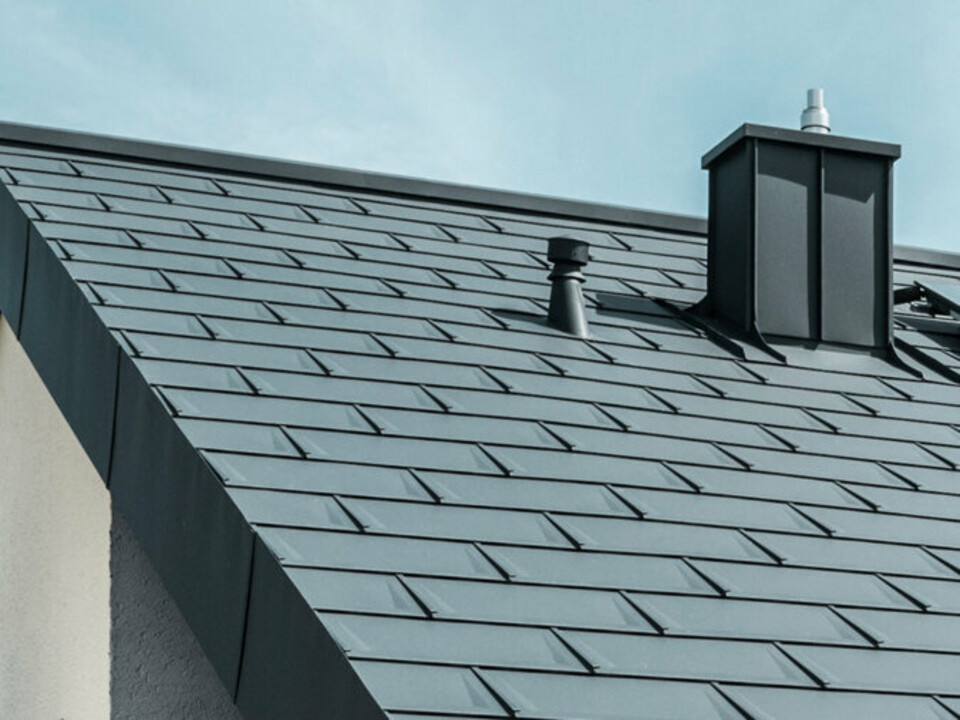
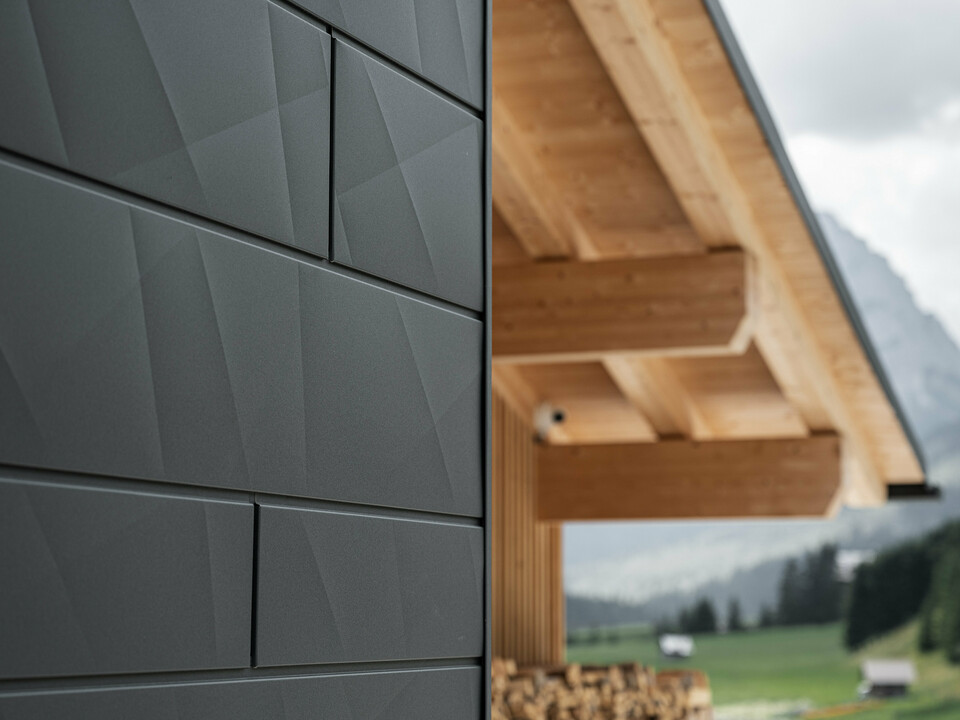


The rainscreen cladding system combines functional, economic and aesthetic properties. It provides protection against noise, cold and heat, and prevents the load-bearing structure from being affected by atmospheric conditions. The construction of the rainscreen is characterised by a clear, functional separation of the individual component layers. Ventilated rainscreen cladding is primarily made up of multiple components that have been structurally coordinated. Moisture is diverted via the ventilation gap, which keeps the insulation and supporting structure dry.
Depending on the structural and legal requirements, rainscreens can be installed on insulated or non-insulated walls.
The substructure should be planned in such a way that takes into account the load-bearing anchor base, the static requirements, the building physics and the cladding, as determined by the structural stability requirements.
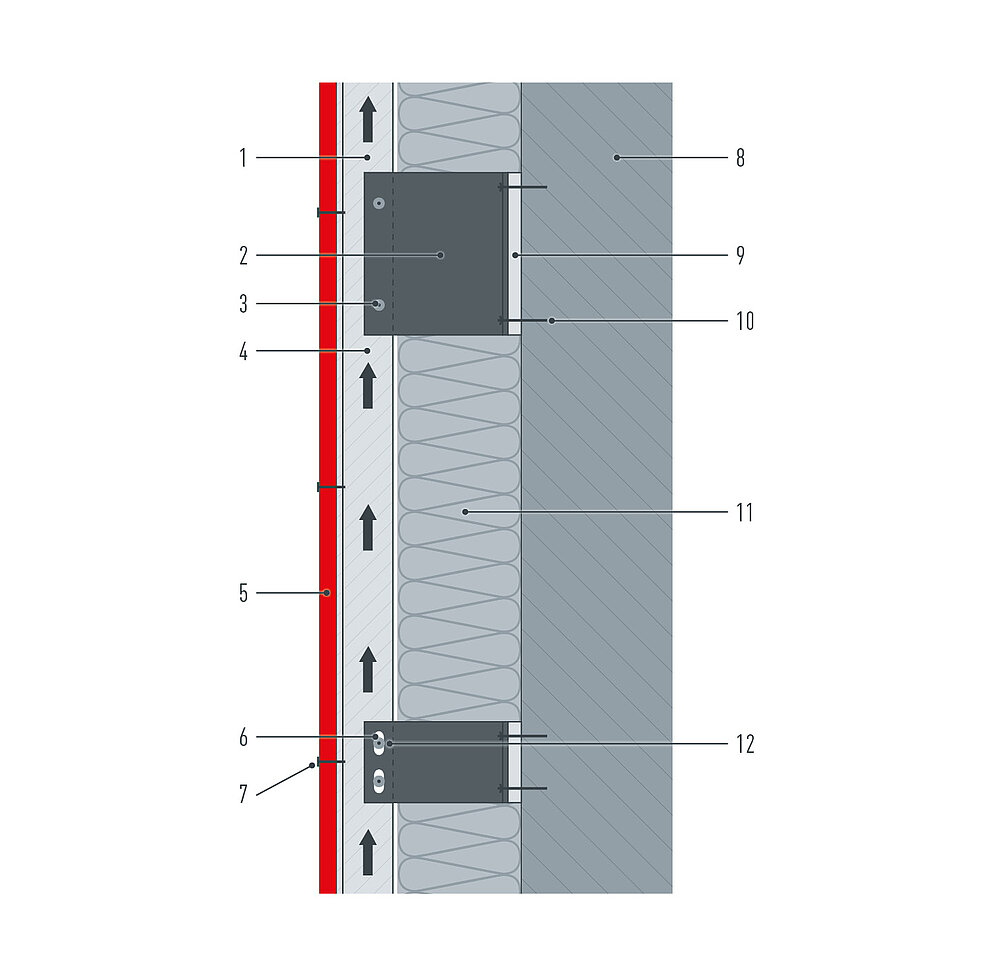
1 Back ventilation cavity |
8 Anchor base |
You can only download content from one product category. If you require content from multiple categories, please create a separate download for each product area.