
Summary:
The Secret Koi Garden combines luxury and sustainability in a unique natural setting. With its minimalist tiny houses and the use of innovative, durable materials, this glamping resort makes a strong statement about the symbiosis of nature and design. The project has received international recognition for its precise craftsmanship and its exceptional aesthetics.
Data & facts
Products: |
|
Color: |
02 P.10 anthracite |
Architecture: |
Lushna d.o.o. |
Processing: |
Stavbno kleparstvo JK d.o.o. |
Location, Country: |
Natterer See, Tyrol, Austria |
Object type: |
Resort |
Architecture in the natural environment
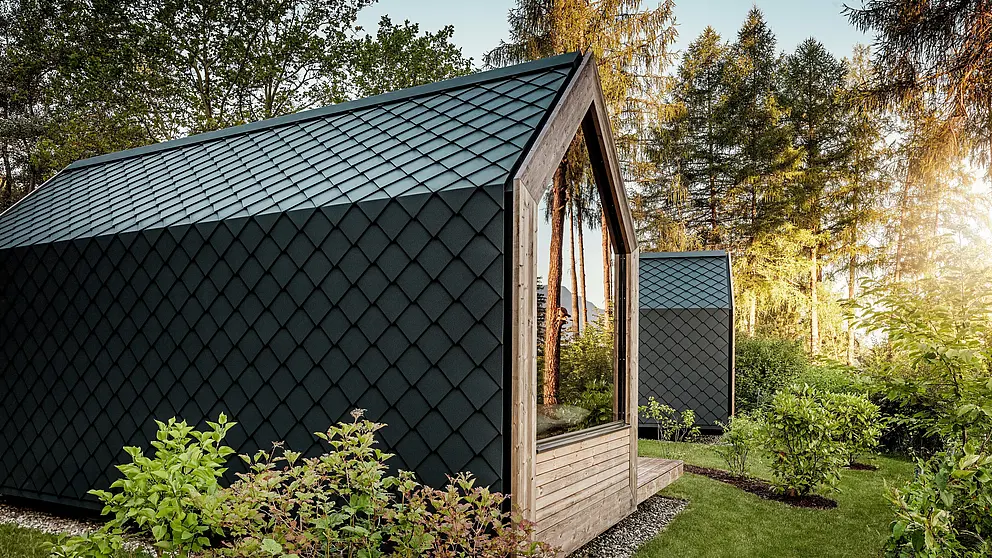
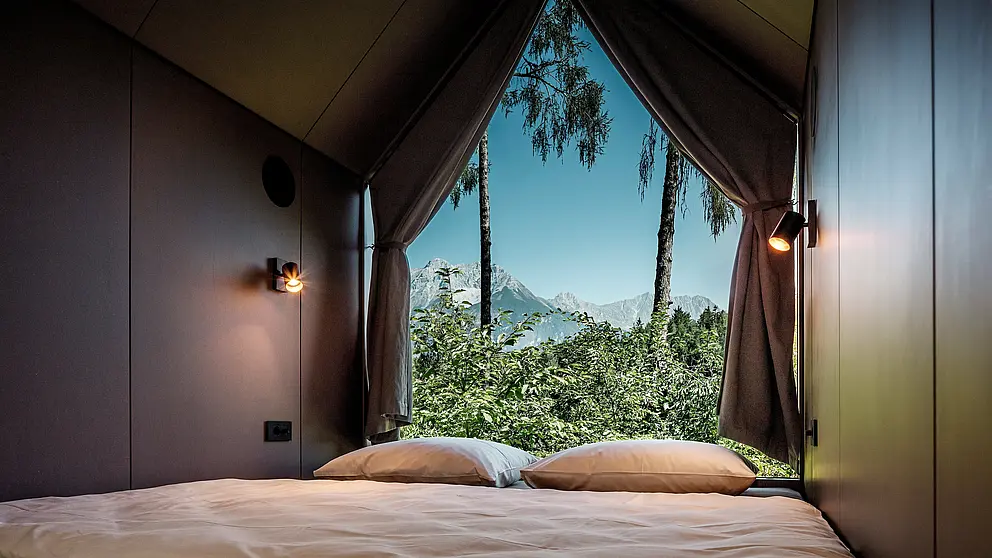
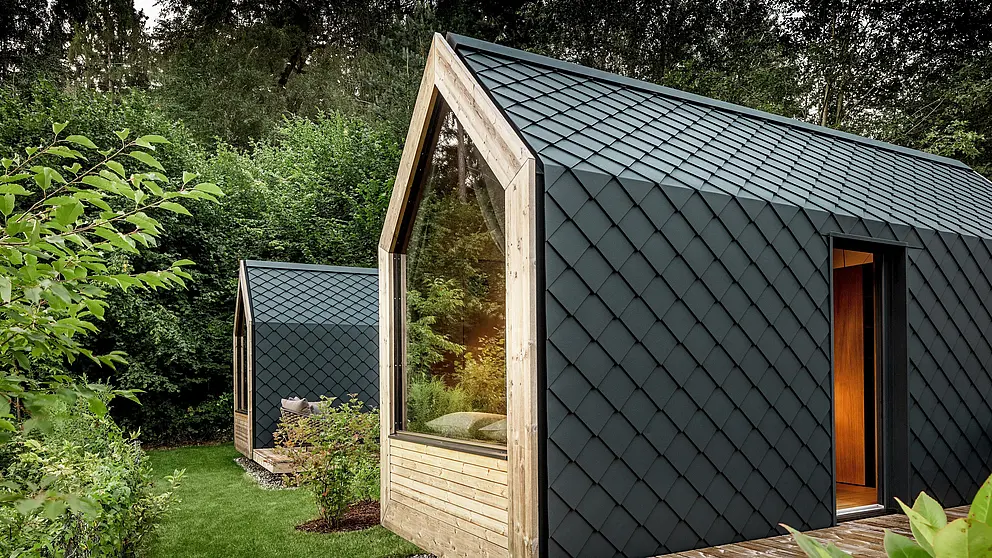
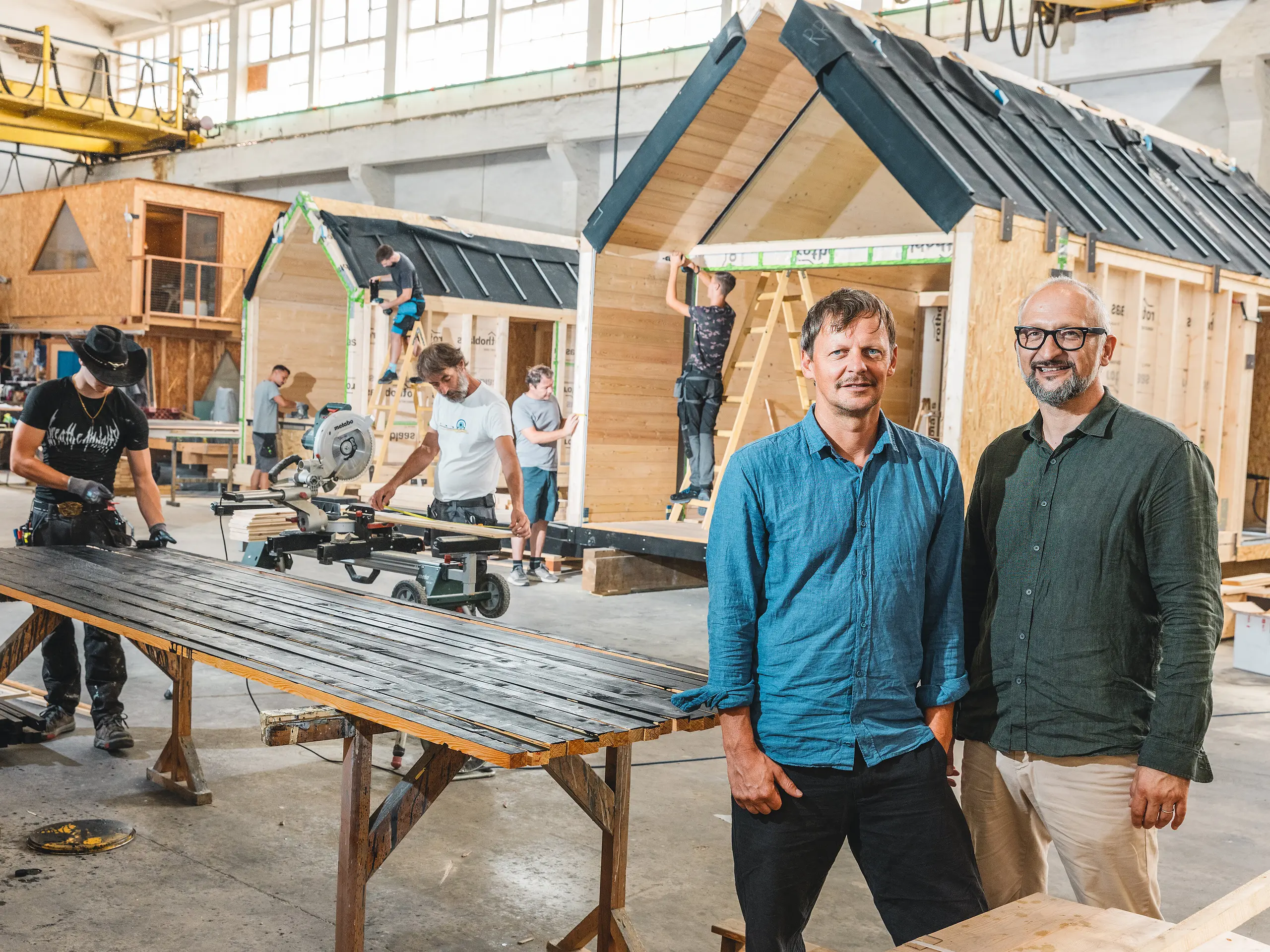
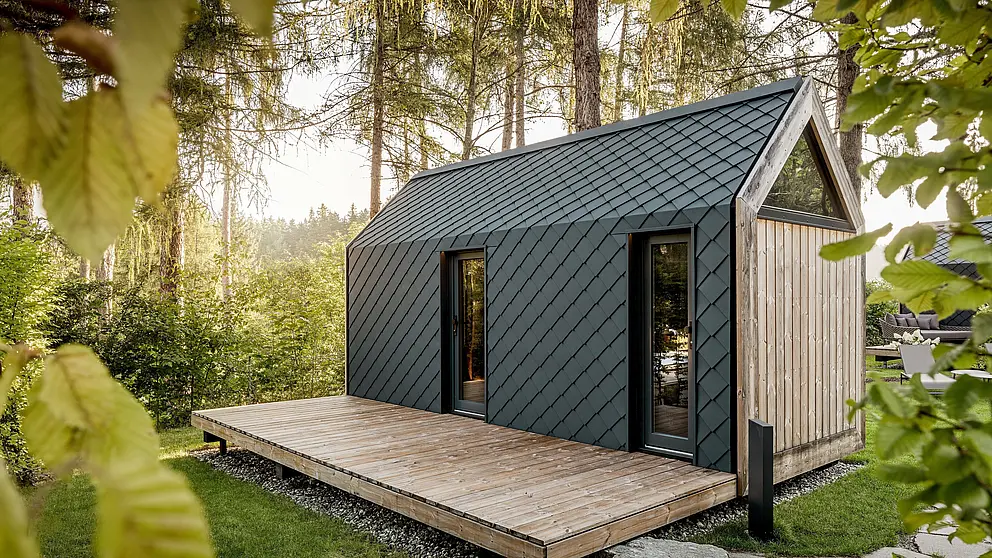
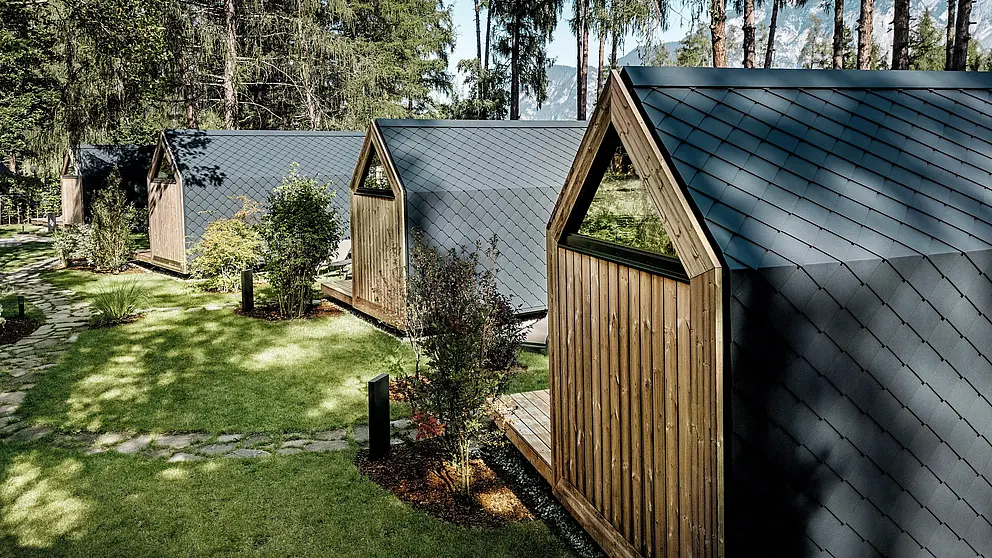
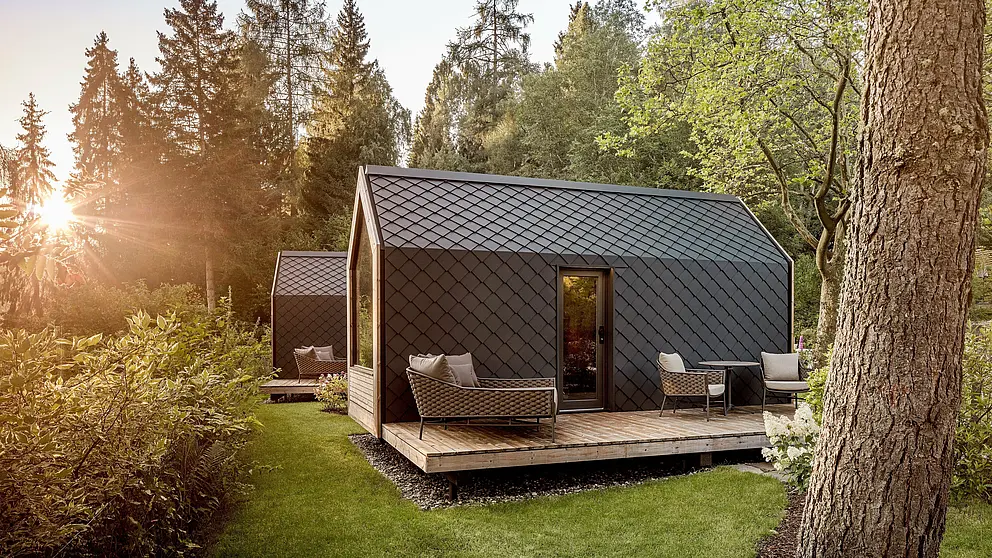
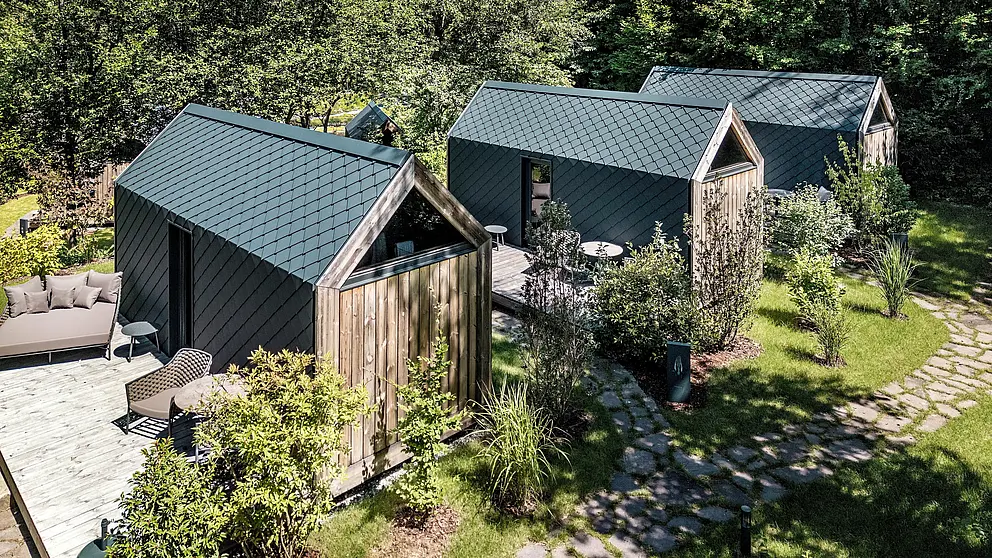
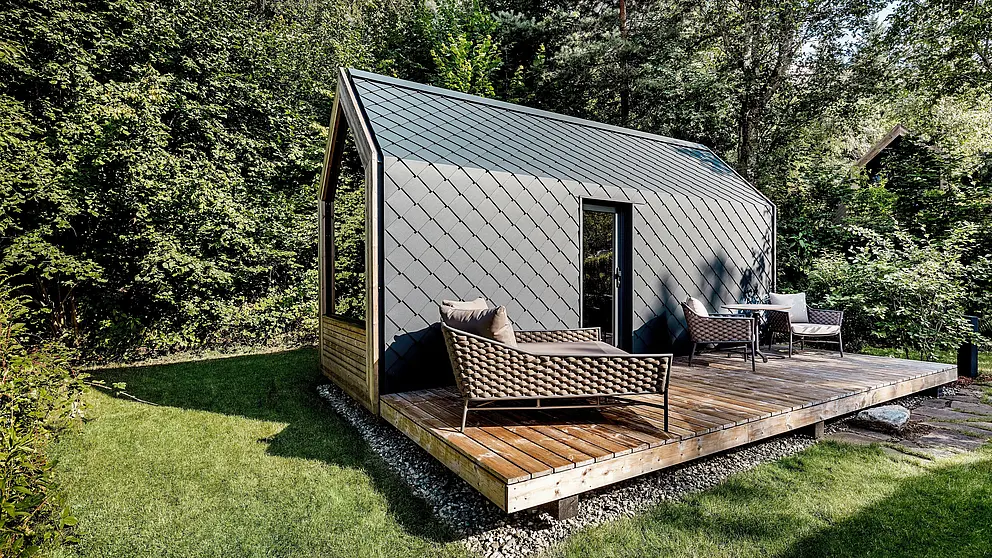
The tiny houses, designed by architect Peter Ličen and marketing specialist Jaka Ažman of Lushna, are based on the principle of ‘minitektur’. Each of the seven designer houses is designed to blend into the natural surroundings, featuring a flexible structure that is both transportable and adaptable. They include various types such as A-Frame, Petite (bedroom in nature), Chalet and Suite. These flexible mini-houses offer guests a private experience with breathtaking views of the Innsbruck Nordkette and the surrounding forests.
Aluminium fish scale
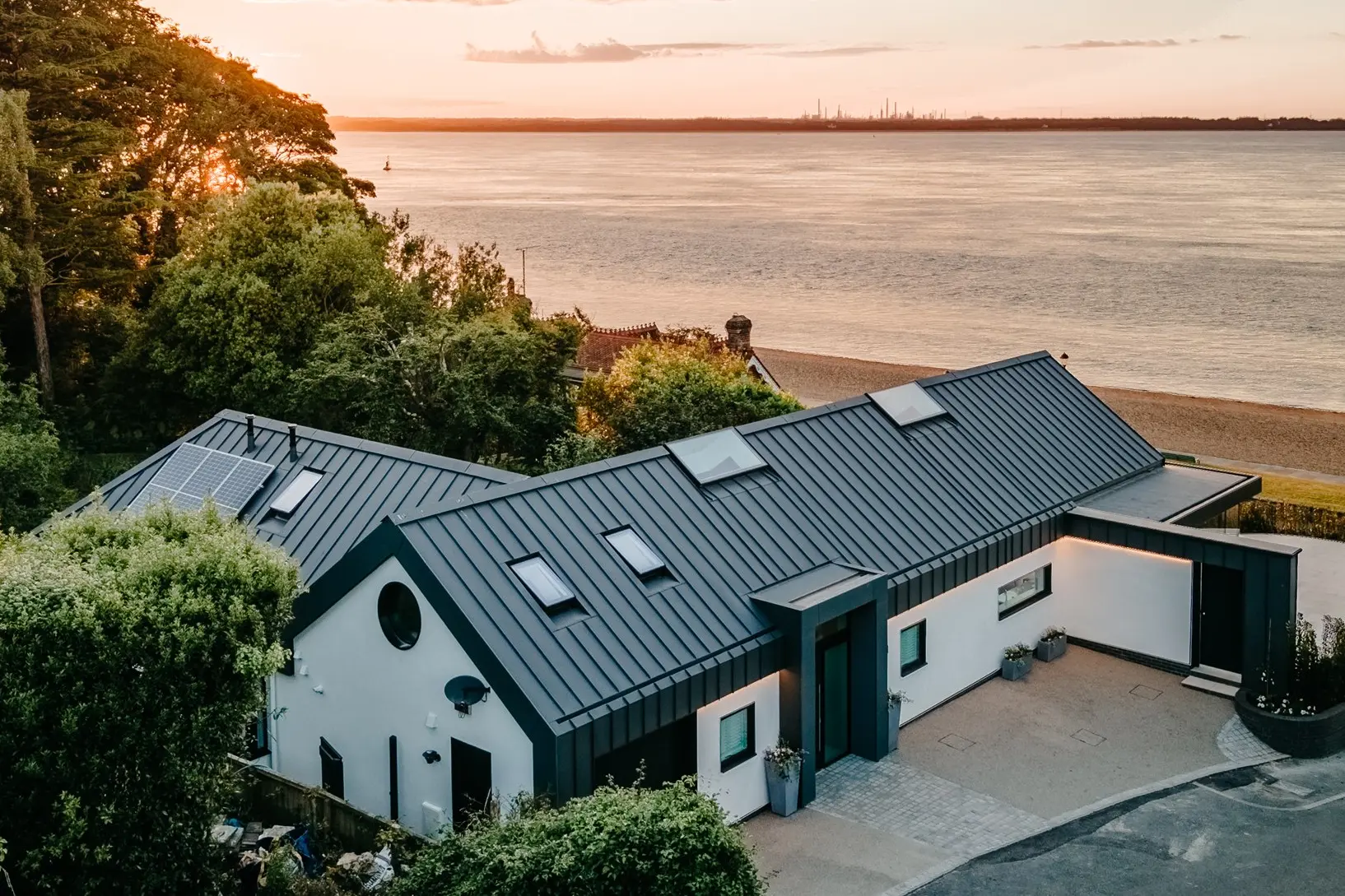
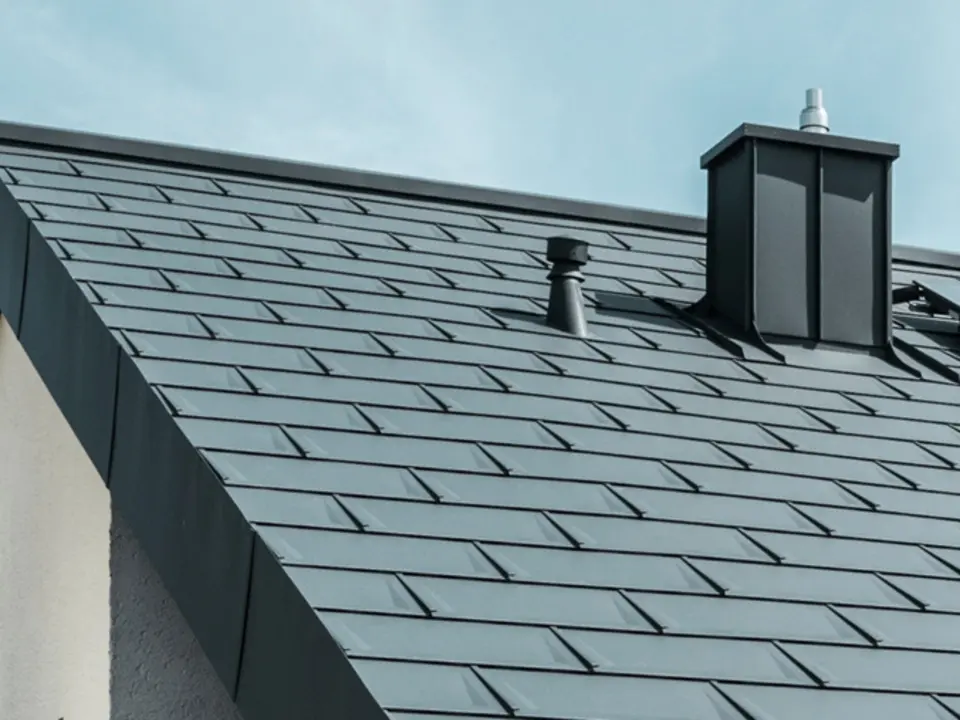
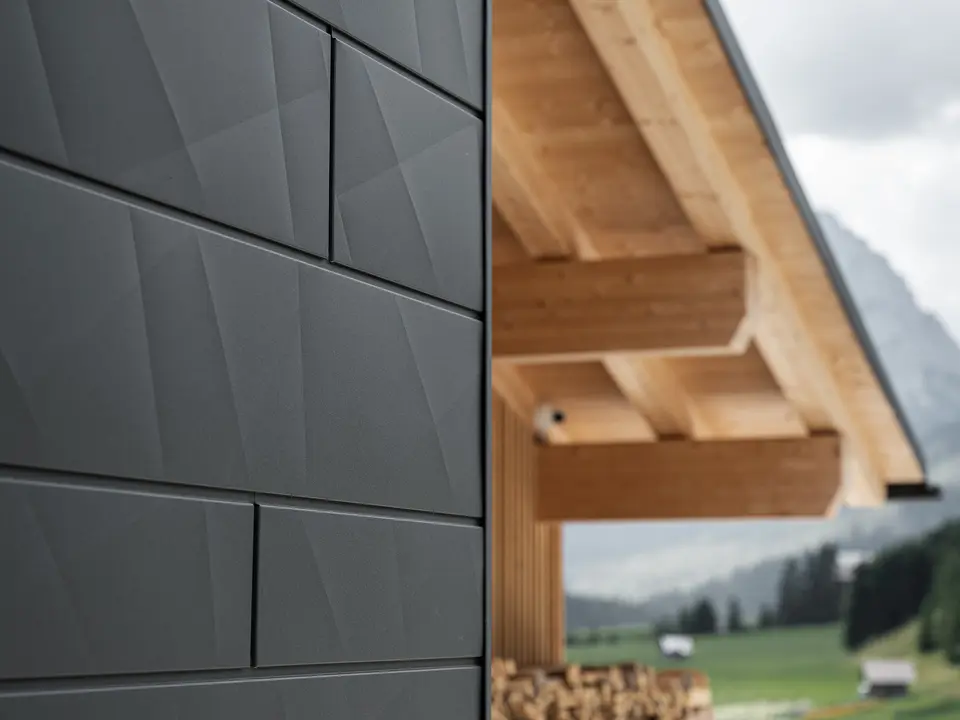
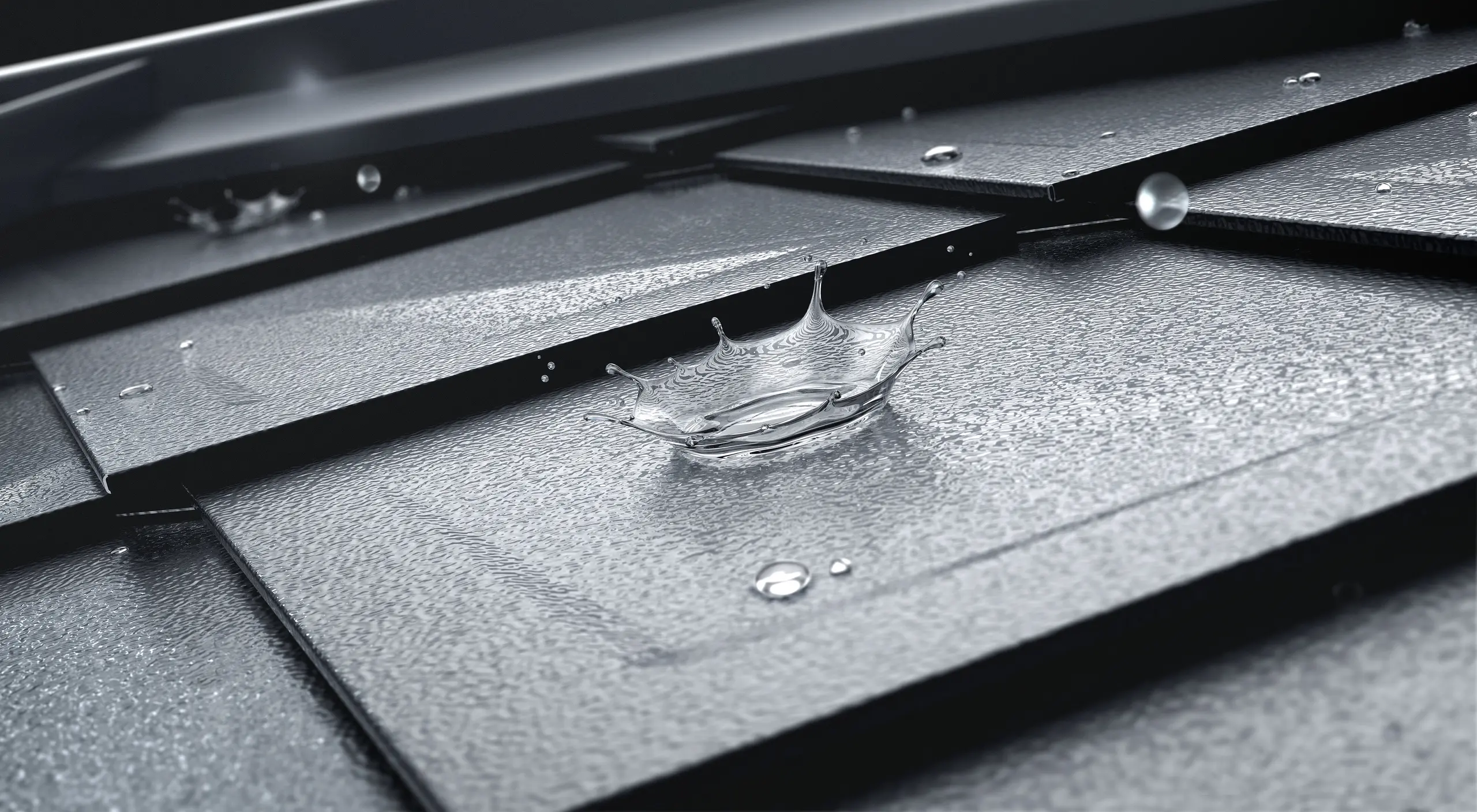
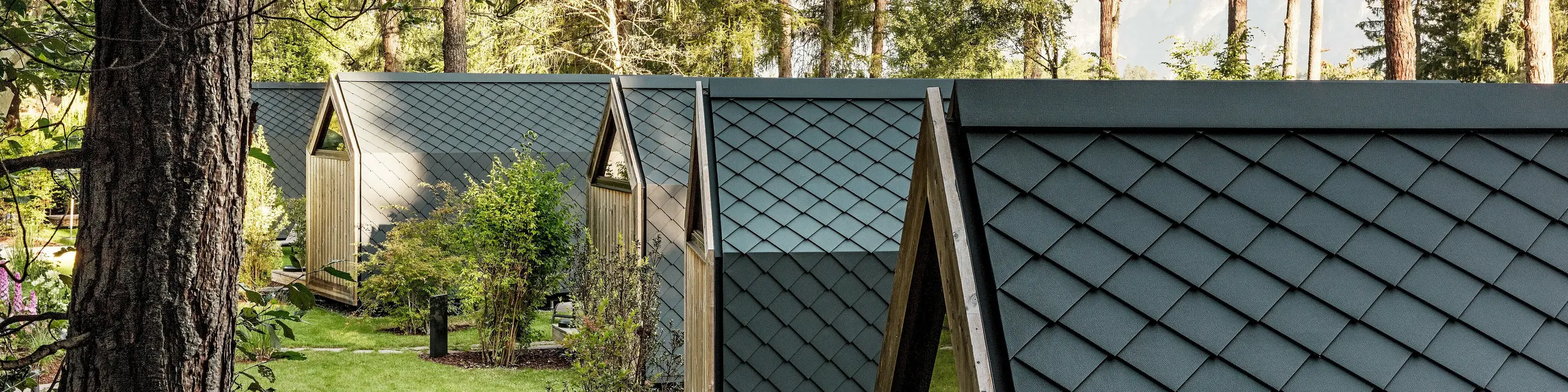
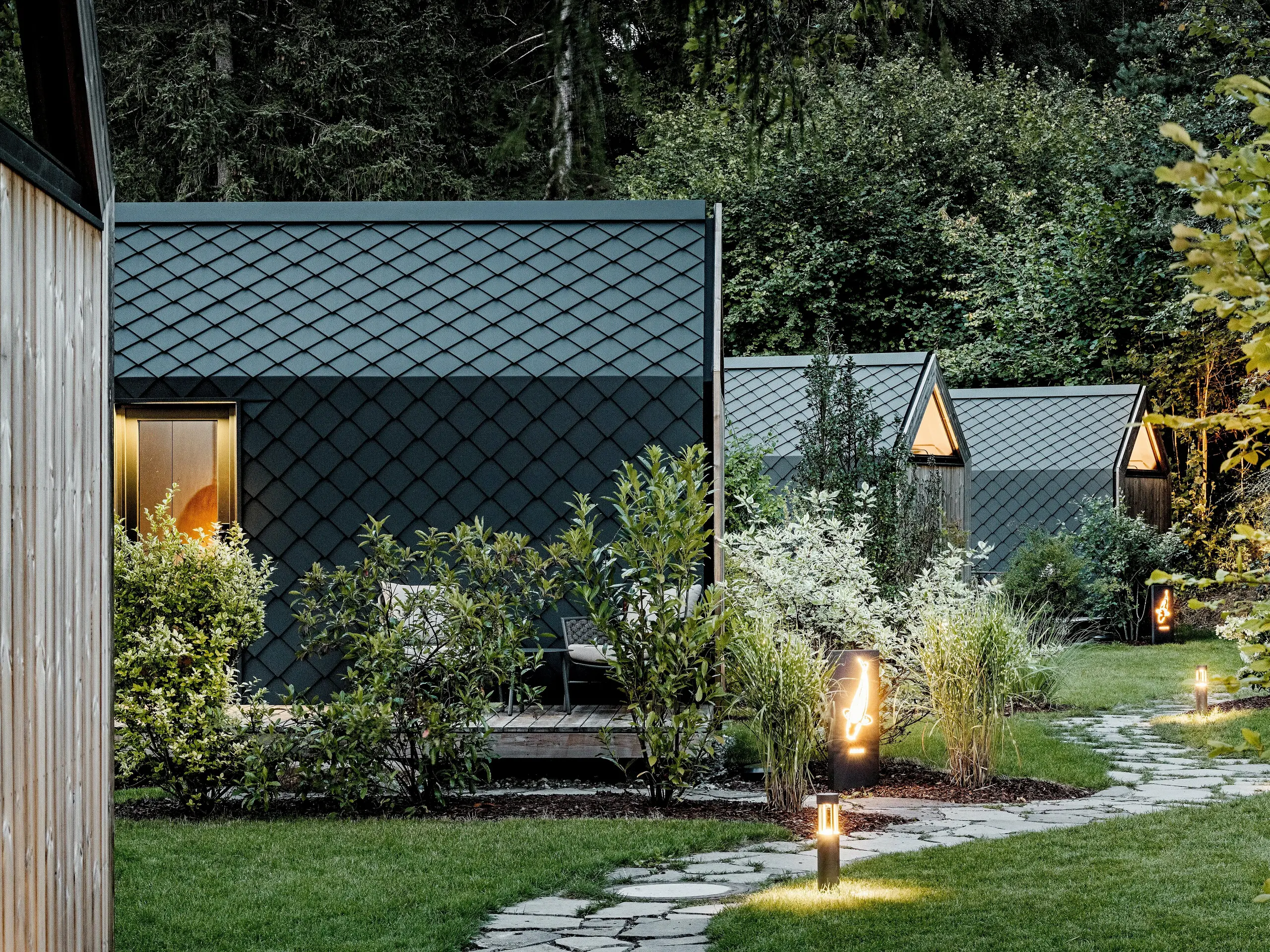
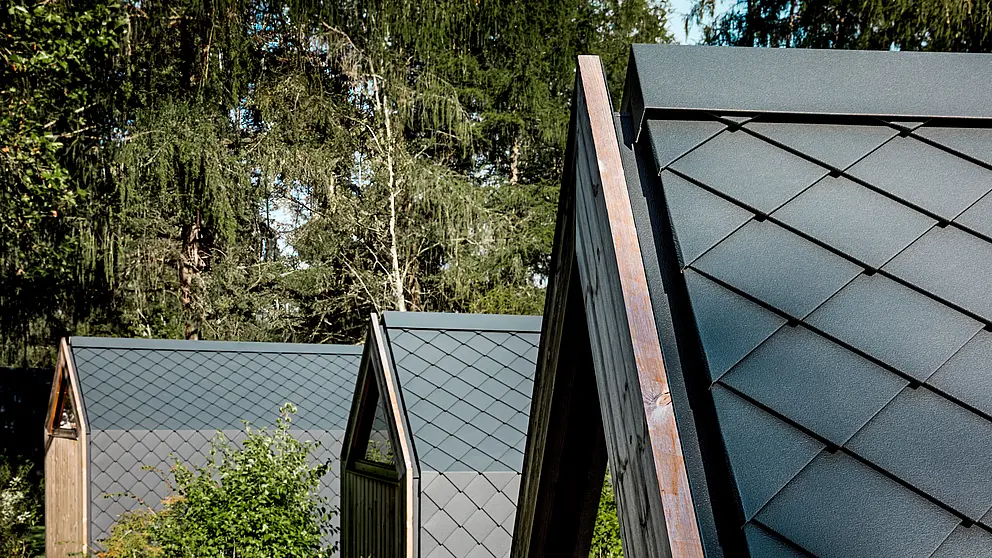
PREFA rhomboid tiles in the colour P.10 anthracite were used for the roofs and façades. The structure of the building envelope is reminiscent of the scales of fish in a koi pond. The delicate, small format rhomboid tiles not only create a distinctive look but also offer high functionality. The material is robust and durable, making it ideal for the harsh conditions in the Tyrolean mountains.
Precision work, one rhomboid tile at a time
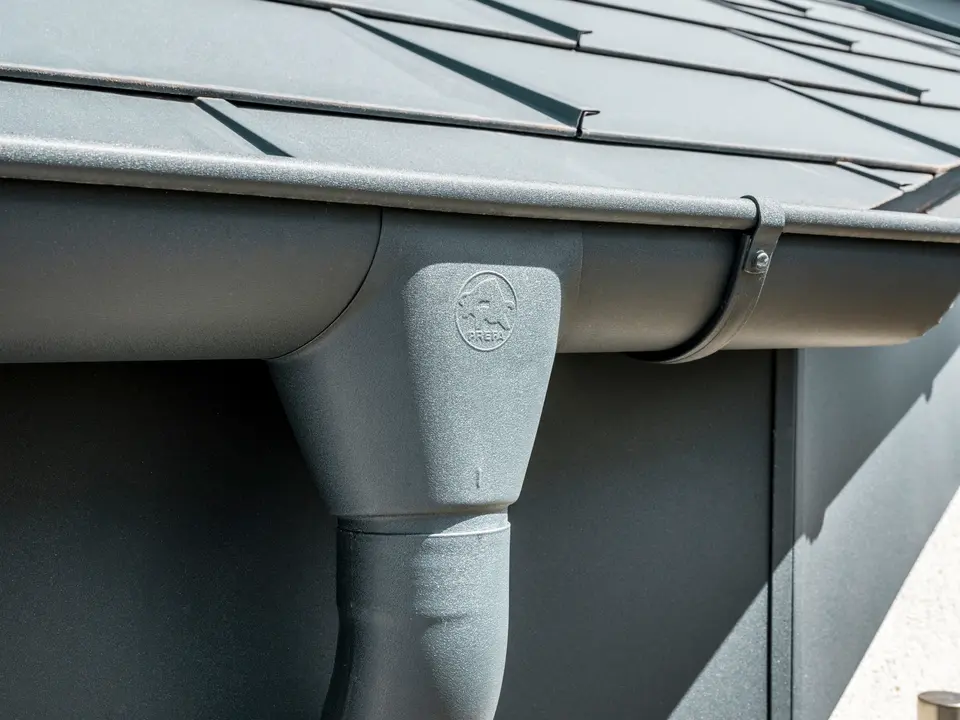
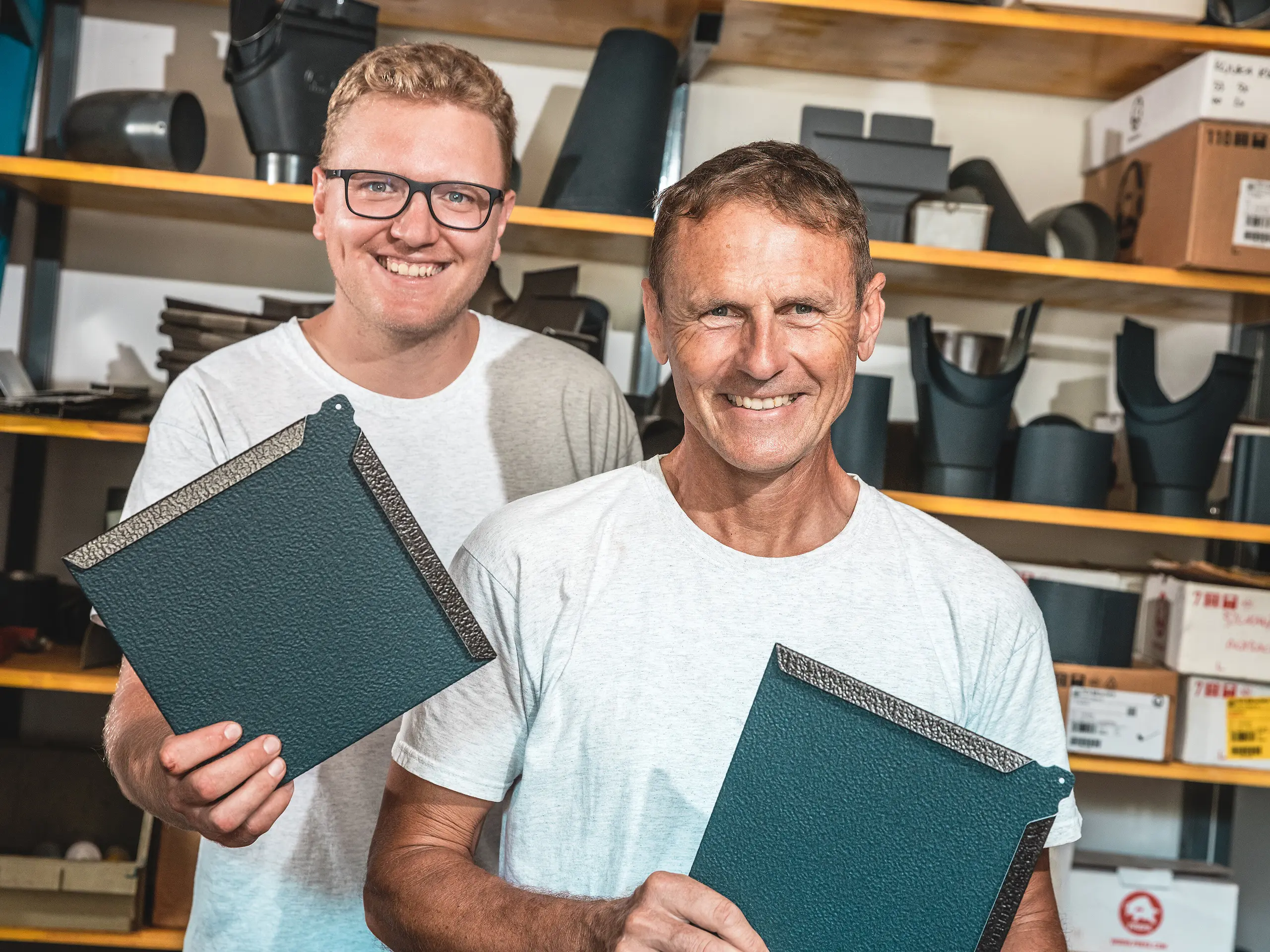
Slovenian master tinsmith Janez Kralj and his team have worked the material with the utmost precision, ensuring that the roofs and façades are perfectly coordinated and require no visible aluminium flashings. A distinctive feature is the narrow gutter, which serves as a shadow gap and for drainage, adding a touch of elegance.
Further information
Material: PREFA rhomboid façade tile 20 × 20 in P. 10 anthracite
Photo credit: PREFA / Croce & Wir